

{ "@context": "https://schema.org", "@type": "Service", "@id": "https://www.joeferrantidj.com/wedding-dj-italy#service", "name": "Destination Wedding DJ Italy", "serviceType": "Wedding DJ and Music Planning", "url": "https://www.joeferrantidj.com/wedding-dj-italy", "description": "Wedding DJ and music planning for international couples planning destination weddings in Italy, including full wedding-day music, final wedding parties, DJ and live music, sunset sets and multi-day celebrations.", "provider": { "@type": "LocalBusiness", "@id": "https://www.joeferrantidj.com/#business", "name": "Joe Ferranti DJ", "url": "https://www.joeferrantidj.com/" }, "areaServed": { "@type": "Country", "name": "Italy" }, "audience": { "@type": "Audience", "audienceType": "International couples planning destination weddings in Italy" } }
Luxury Destination Wedding DJ in Italy
Premium Wedding Music Experiences & Multi-Day Celebrations for International Couples
Wedding DJ in Italy for the Complete Wedding Experience
A luxury destination wedding in Italy is more than a single celebration or a final DJ set. It is a complete music experience shaped around the venue, the couple, the guests and every moment of the wedding.
From the ceremony and aperitivo to dinner and the final party, each part of the day has its own atmosphere while remaining connected by one coherent musical direction.
For multi-day weddings, the experience can extend across the entire celebration, including welcome events, the wedding day and day-after gatherings.
Share your wedding date, venue, guest count and the type of coverage you are considering. I will reply by email with availability and the most suitable music setup for your celebration.
Wedding DJ in Italy for an Unforgettable Final Party
For many couples, the final party is not just the last part of the wedding. It is the emotional peak of the entire day — the moment when everything built from the ceremony onward turns into energy, release, and shared celebration.
This is where my signature approach becomes most visible. I do not simply open the dance floor and let music play. I shape the party through timing, musical direction, live crowd reading, and lights and effects synchronized to the music, so the atmosphere feels dynamic, immersive, and fully alive.
The goal is not only to keep guests dancing. It is to create a wedding finale that feels powerful, visually memorable, and genuinely exciting for everyone in the room. If you want your wedding in Italy to end with real impact — not just background entertainment, but a party your guests will truly remember — this is one of the strongest parts of what I do.

Real Atmosphere. Real Emotions.
Beautiful words are helpful, but seeing the real energy of a dance floor is what matters. This is not a staged promotional shoot—this is a real celebration with real international couples and their guests.
Real Wedding Party, Real Setup, Real Guests
The video above shows a real wedding party in Italy, not a styled shoot or a promotional concept.
For couples planning from abroad, this matters because it shows the kind of atmosphere, sound, lighting and dance floor energy that words alone cannot fully explain.
You can see the final part of the wedding as it actually happened: real guests dancing, a professional sound and lighting setup, and a party designed as the emotional peak of the day.
Real Destination Weddings in Italy — Verified by Couples
Real weddings, real venues and real international couples.
These celebrations were personally planned and performed by Joe Ferranti in Italy. Each one required different music choices, sound solutions and coordination across the wedding day.
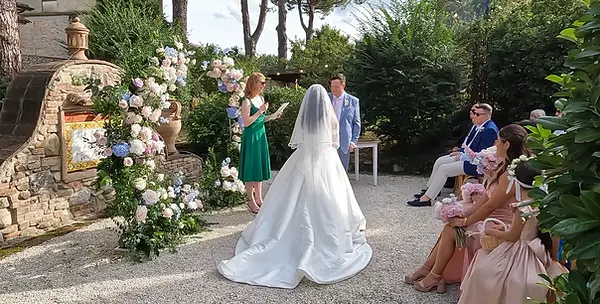
Tatiana & Joe — Pieve del Castello, Umbria
Planned from abroad, their wedding required music and sound across the ceremony, dinner and final party, with an international guest mix and Latin influences reflecting Tatiana’s Mexican background.
Verified Google Review ★★★★★
“The dance floor was busy from start to end.”
— Joe Sherratt
.

Jakob & Christine — Tenuta di Canonica, Todi
A destination wedding requiring venue inspections and detailed music planning across the ceremony, sunset aperitivo, dinner and a final party that continued for more than five hours.
Verified Google Review ★★★★★
“Thanks to him we had the best party of our life!”
— Jakob Mühling
A Wedding DJ Service Built Around the Entire Celebration
A memorable wedding party starts long before the first track is played. The music, timing and technical requirements are planned around the couple, the venue and the way the celebration is actually structured.
Every wedding experience is personally designed and musically directed by Joe Ferranti in collaboration with the couple.
Depending on the structure of the celebration, selected moments may be performed directly by Joe or entrusted to trusted professional artists and collaborators, while remaining part of the same overall musical direction.
This allows ceremony, aperitivo, dinner, live performances and the final party to work together as one coherent experience rather than as separate services.
Clear Planning Before the Wedding
Music preferences, important moments, timings and technical requirements are agreed in advance through clear written communication in English.
This creates one shared reference for the couple, planner, venue and other suppliers while keeping the creative direction of the music personal.
Sound Designed Around the Venue
Historic castles, private villas, gardens and destination venues can present very different acoustic and logistical challenges.
Sound and lighting are therefore planned around the architecture, guest count and atmosphere rather than treated as a standard equipment package.
Coverage Where It Adds Real Value
My main focus is on the DJ-led moments where music can create the strongest atmosphere and energy.
For couples who want one coherent musical and technical direction throughout the day, the Complete Wedding-Day Music Experience can include the agreed music playback, microphones and dedicated sound systems required for the ceremony, aperitivo, dinner, speeches and other selected moments, while the final party remains the principal live DJ performance.


Choosing the Right Wedding DJ in Italy for a Destination Wedding
Planning a destination wedding in Italy from abroad means choosing a DJ for more than the final dance floor. The venue layout, wedding timeline, guest mix and technical requirements can all affect how music and sound need to be planned.
When comparing wedding DJs in Italy, look beyond the number of performance hours or the equipment included. Destination wedding experience, clear communication before the event, the ability to work with international guests, coordination with the venue or planner, crowd reading and reliable sound planning can make a significant difference to the celebration.
Italian villas, castles and countryside estates often use several different spaces during the same wedding. Ceremony audio, microphones, aperitivo music, dinner sound and the final party may therefore require different setups or different levels of support.
The final service should be designed around the wedding itself: the venue, guest count, number of music areas, timeline, sound and lighting requirements, travel logistics and the atmosphere you want to create.
For current starting investments and a detailed explanation of what affects the final proposal, see Wedding DJ Prices in Italy.
Wedding DJ + Live Music in Italy
For couples who want to combine DJ direction with selected live performances, live music can be developed as part of the same overall wedding experience rather than as a separate show.
Featured Configuration — DJ + Live Vocal
A professional live singer can bring an additional human and emotional dimension to selected moments of the celebration while the DJ maintains musical continuity and complete freedom of repertoire throughout the day.
Sometimes the original recording is exactly what the moment needs.
Sometimes a live voice changes everything.
The objective is not continuous live performance, but selected moments that feel naturally connected to the wedding.
Strings and acoustic or electric violin are also available and can be integrated according to the style and musical concept of the celebration.
Multi-Day Wedding DJ & Music Experience in Italy
A destination wedding in Italy often extends beyond the wedding day itself.
For couples planning a multi-day celebration, I can create one coherent musical journey across the entire wedding experience — from the welcome dinner or Sunset DJ Set to the wedding day and the final pool party, pizza party or farewell gathering.
Each event has its own atmosphere and energy, while the music evolves naturally from one moment to the next.
Rather than booking separate music services for each event, couples can have one consistent musical direction designed around their tastes, their guests and the character of the celebration.

A More Complete Wedding DJ Experience in Italy
The difference is not simply the number of speakers, the equipment used or the number of hours a DJ is present.
It is the level of musical responsibility, preparation and adaptation behind the experience.
Package-Led DJ Approach | Joe Ferranti Music Direction |
|---|---|
One Musical Formula
The same musical approach is applied regardless of the mix of guests. | International Crowd Reading
Different generations, nationalities and musical backgrounds are connected live without losing the couple's own musical identity. |
Playlist Focus
Music is mainly defined by a pre-selected list of tracks. | Personal Musical Direction
Your playlists and preferences establish the identity; live mixing and crowd reading shape what happens in the real room. |
Hours & Equipment
The service is primarily defined by performance time and technical equipment. | Experience & Responsibility
The focus is on planning, atmosphere and creating the musical result the couple wants from the celebration. |
Standard Setup
The same type of production is applied to different events and venues. | Venue-Aware Production
Sound and lighting are adapted to the architecture, guest count and atmosphere of the wedding. |
Limited Pre-Event Planning
Most decisions are concentrated close to the event itself. | Structured Planning
Music, timing and technical requirements are prepared in advance through clear written communication with the couple and, when needed, planner and venue. |
The Real Difference :
When you plan a destination wedding from abroad, you are not simply choosing someone to play music.
You are choosing who will take responsibility for one of the most emotional and unpredictable parts of the celebration — understanding your musical identity, adapting to your guests in real time and helping turn the final party into something they will genuinely remember.
Signature Party Atmosphere Design
From romantic candlelight to club-style energy, the visual atmosphere of the party is designed around your wedding mood, venue and guests.
Every wedding has a different energy.
Some couples imagine a soft and romantic evening with fairy lights, candles and warm tones. Others want a powerful final party with moving lights, haze and synchronized visual effects.
My setup is adapted to the atmosphere you want to create, so the lighting becomes part of the emotional flow of the wedding, not just a technical add-on.

Romantic Glow
A warm and intimate atmosphere with fairy lights, candles and soft single-colour lighting, ideal for elegant dinners, villas, gardens and romantic destination weddings.
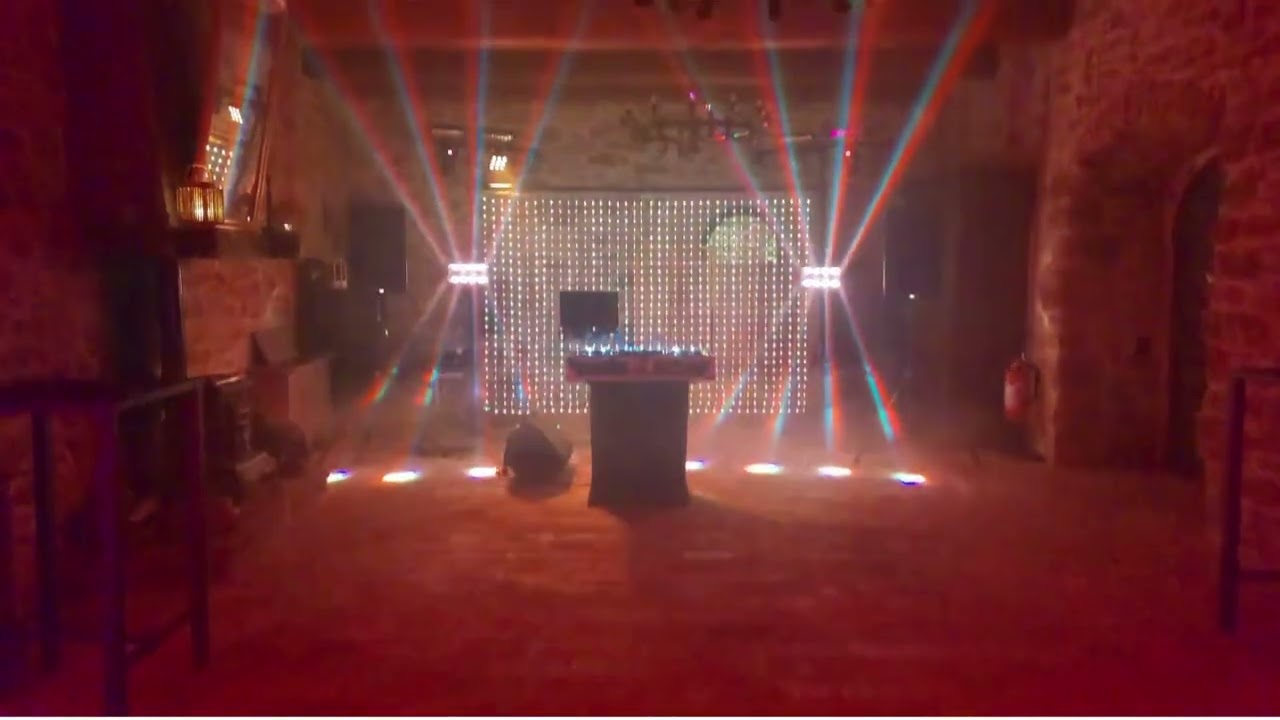
Elegant Crescendo Wedding Lighting Setup in Italy | Wedding DJ Atmosphere Design
Elegant Crescendo
A refined transition from dinner atmosphere to dance floor energy, with lighting that gradually evolves together with the music and the mood of the guests.
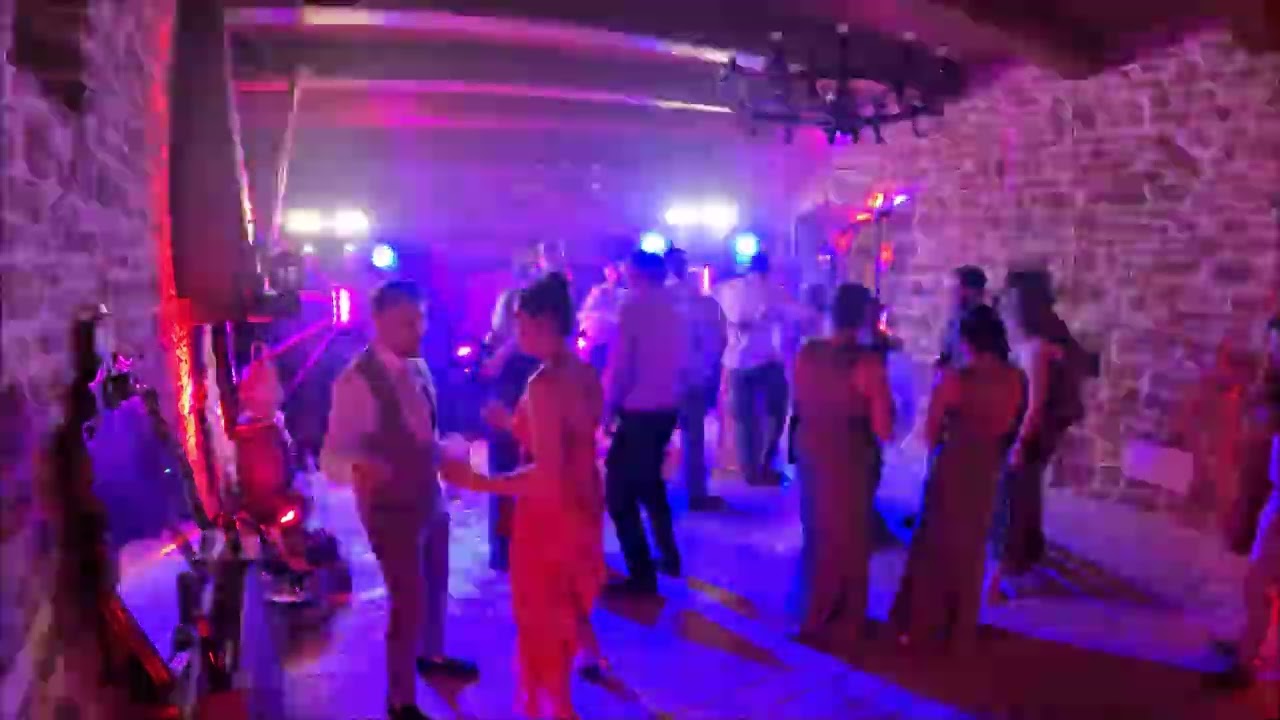
Club-Style Wedding Party in Italy | DJ Lighting Show & Dance Floor Energy
Club-Style Energy
A high-impact dance floor experience with moving lights, strobes, haze and laser effects synchronized with the music, designed for couples who want a powerful final party.
Signature Venues & Destinations
I provide destination wedding music experiences across Italy, with dedicated guides and real wedding content for some of the regions where international couples most often choose to celebrate.
Explore my dedicated location guides and real wedding galleries:
-
Tuscany Wedding DJ – Countryside Estates & Borghi
-
Lake Como Wedding DJ – Luxury Waterfront Villas
-
Umbria Wedding DJ – Historic Castles & Private Villa
-
Rome & Lazio Wedding DJ – Luxury Palazzos & Historic Venues
-
Assisi Wedding DJ – Panoramic Venues & Intimate Celebrations
-
Perugia Wedding DJ – Exclusive Villas & Historic Residences

Wedding DJ Prices and Service Options
Every wedding has a different structure, venue and level of production.
The final investment depends on the experience you choose, guest count, venue logistics, sound and lighting requirements, travel and whether the celebration takes place over one day or an entire wedding weekend.
Ceremony music, aperitivo and dinner sound, additional sound areas or a second DJ station can also be included when genuinely required by the wedding structure.
For current service options and official starting investments, visit the dedicated pricing page.
Frequently Asked Questions
Do you work as a Wedding DJ across Italy?
Yes. I am based in Umbria and available for destination weddings across Italy, depending on the date, location and structure of the event.
Are you available for destination weddings in Italy?
Yes. A large part of my work is designed for international couples planning destination weddings in Italy.
Do you provide a Complete Wedding-Day Music Experience in Italy?
Yes. The Complete Wedding-Day Music Experience is designed for couples who want one coherent musical and technical direction across the agreed parts of the wedding day.
This can include playback of the agreed ceremony music in the agreed running order, personalised music for the aperitivo and dinner, microphones for agreed moments, dedicated sound systems for the required areas and the final live DJ party.
The exact coverage and technical configuration are defined in the individual wedding proposal.
For couples who also want integrated live performance, the Wedding Day Experience — DJ + Live Music can combine the same overall musical direction with selected live vocals, strings or acoustic/electric violin according to the individual wedding concept.
Can you work alongside live musicians?
Yes.
There are two different possibilities.
Within the Wedding Day Experience — DJ + Live Music, selected live artists can be integrated into the coordinated musical experience defined in the individual wedding proposal.
I can also work alongside musicians booked independently by the couple, including violinists, string ensembles, singers and other professional performers.
When required, musical and timeline coordination can include ceremony cues, performance times, entrances, special moments and transitions between live music, recorded music and DJ-led parts of the celebration.
Independently booked musicians are normally expected to remain technically self-sufficient unless a different arrangement has been agreed in advance.
Do you provide both DJ music and lighting for weddings in Italy?
Yes. My wedding DJ service can include both professional music and lighting as part of the same coordinated experience. Sound and lighting are planned around the venue, guest count and atmosphere, while the final party can include moving lights, haze and visual effects synchronized with the music. The exact production is adapted to each wedding and venue.
Do you work with wedding planners and venues?
Yes. I regularly coordinate with planners, venues and other suppliers to help the day run smoothly and professionally.
Do you communicate in English?
Yes. I manage planning through clear written communication in English, which works especially well for international couples and destination wedding logistics.
Does full-day coverage include more than one DJ station?
The Complete Wedding-Day Music Experience may include dedicated sound systems and professional music playback in several agreed areas of the venue.
It includes one complete DJ station for the main party. If live DJ mixing is required in an additional separate area, another DJ station and any necessary additional production will be planned and quoted separately.
When should I book a wedding DJ in Italy?
For a destination wedding in Italy, I recommend contacting your DJ as soon as the wedding date and venue are confirmed, especially for weddings between May and September. Early planning is particularly useful for complete wedding-day coverage, multi-day celebrations, venues with several music areas, or weddings combining DJ and live music.
Do you provide DJ services for luxury destination weddings in Italy?
Yes. I work with destination weddings in private villas, historic estates, castles and exclusive venues across Italy. For these celebrations, the service is designed around the venue and the wedding itself, with personalised music direction, professional sound, lighting, multiple music areas when required, and coordination with the couple, planner and venue.
Will Joe personally perform every part of the wedding?
Joe personally develops the musical direction and planning of every wedding together with the couple and remains the main point of reference throughout the process.
Depending on the experience and the structure of the wedding, some moments may be performed directly by Joe while others may involve selected professional artists or trusted collaborators.
This approach allows different parts of the celebration to be covered by the most appropriate professionals while maintaining one coherent musical direction throughout the event.
What happens in case of an unexpected emergency?
The musical experience is planned within a trusted professional network rather than depending entirely on a single performer.
In the unlikely event that an unexpected situation affects one part of the agreed coverage, Joe can coordinate with trusted professional collaborators and artists to protect the continuity of the wedding as far as reasonably possible.
The musical plan, timelines and technical requirements are prepared in advance, making it possible for the agreed experience to remain organised and consistent even when different professionals are involved.

